Social media can make a creator feel famous and broke at the same time. One week a post reaches a hundred thousand people, the next week the same kind of post barely reaches your own followers. That is not a personal failure. It is how rented reach works: you are building on land someone else owns, and the rules change without asking you.
A newsletter changes that equation. When someone gives you their email address, they give you a direct line to them. No algorithm decides whether your work shows up in their inbox. You can still lose subscribers, but you cannot lose the whole list overnight because a platform changed its priorities.
That does not mean a newsletter is magic. Newsletters compound slowly, especially at the start. The first 100 subscribers are the hardest part, and anyone who tells you otherwise is probably selling a course. But if you survive that slow beginning with a clear promise and a rhythm you can keep, a newsletter becomes one of the most durable assets a creator can own.
Why does a newsletter beat social media reach?
A follower is not the same as a subscriber. A follower might never see your next post. A subscriber has actively said yes to hearing from you, and that yes carries into every issue. That direct relationship also changes what you can sell or announce. Even a small list of 500 engaged readers can outperform 50,000 passive followers when the goal is sales, signups, or real replies. A newsletter also rewards usefulness and voice over time, while social posts reward whatever gets a fast reaction.
Who is your newsletter actually for?
Most struggling newsletters fail here, before a single issue is sent. They try to serve everyone, so they end up serving nobody in particular. A newsletter that is “about creativity, business, and life” is really about nothing, and readers can feel that vagueness in the signup form.
Instead, pick one reader and one promise. The reader is a specific kind of person with a specific problem. The promise is the outcome your newsletter helps them reach. Write both down in one sentence before you choose a platform or design a template.
- One reader: a beginner photographer who wants to book their first paid clients.
- One promise: one practical client getting tactic every week, with a real example.
- One reader: a new parent trying to cook quick, healthy dinners.
- One promise: five weeknight recipes every Sunday, each under 30 minutes.
Which newsletter platform should you choose?
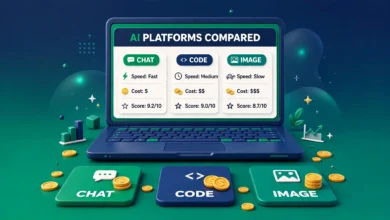
Beehiiv is a strong default for creators who want growth tools built in. Its free tier lets you start without paying, and it includes recommendations and referral programs that help small newsletters get discovered. The tradeoff is that some advanced features sit behind paid plans.
Substack is the simplest option if you want to write and publish with almost no setup. Readers already understand the format, and its network can surface your work to people who read similar publications. The tradeoff is less control over design and monetization, and moving your audience elsewhere takes more effort. Kit and Ghost are worth knowing about later: Kit suits creators who sell products, while Ghost offers full ownership, but both add cost and complexity a new newsletter rarely needs.
Should you write the first issue before announcing?
Yes. Write your first issue before you tell anyone the newsletter exists, and ideally draft the second one too. First, it proves you can actually produce what you are promising. Many newsletters die because the creator loved the idea of a weekly newsletter but hated writing the second issue. Second, it gives new subscribers something real to read the moment they join, instead of asking them to trust an empty promise.
What format can you actually repeat every week?
Consistency beats brilliance in newsletters. Readers do not need a masterpiece every week. They need to know what they are getting, and they need you to show up when you said you would. A repeatable format makes that possible, because it removes the blank page problem that kills so many newsletters after issue four.
- One opening note that sets the tone and shows your personality.
- One main idea, explained with a concrete example from your own work.
- One practical takeaway the reader can use the same day.
- One closing question that invites a reply or a click.
Keep the length honest. A newsletter that takes six hours to write is one you will quit. Weekly is the right rhythm for most creators: frequent enough to stay familiar, spaced enough to stay sustainable. Tell subscribers the day in your welcome email, then keep it.
How do you get your first 100 subscribers?
The first 100 subscribers come from people who already know you, not from strangers discovering you through search. That is normal, and it is why the beginning feels slow. Your job at this stage is to make subscribing easy and obvious everywhere your existing audience already finds you.
Start with your bio link. Replace a generic link with your newsletter signup page, and write the promise in the link text itself. Every strong social post is also a chance to point people to the newsletter: add a short line at the end, such as “I break this down further in my weekly email,” and link to the signup page or a past issue.
A lead magnet can speed this up, but only if it is genuinely useful and tied to your promise. A lead magnet is a free resource people receive when they subscribe, such as a checklist or template. The best ones solve one small problem immediately. A vague 50 page ebook nobody reads is worse than a one page checklist people actually use. Also put a signup form on your best performing posts: someone who just read your full guide and found it helpful is far more likely to subscribe than a cold visitor. Turn your 30 day Instagram growth plan into a signup bridge by offering the deeper weekly version by email, so social reach feeds an audience you actually own.
How do borrowed audiences help you grow faster?
Once you have a solid newsletter and a few dozen happy readers, borrowed audiences become your fastest honest growth channel. Someone else introduces you to their readers, and you return the favor. Nobody is tricked, and everyone involved chose to be there.
Newsletter recommendations are the simplest version. Many platforms let one newsletter recommend another, so readers see your publication suggested after subscribing to a similar one. Reach out to newsletters of a similar size in a related niche, read a few of their issues first, and propose a genuine swap. Similar size matters: a newsletter with 20,000 subscribers gains little from swapping with one of 50, so target peers, not giants. Cross promotions and guest issues work the same way, and the burst only sticks if your next few issues are strong.
What is a referral loop, and is it worth setting up?
A referral loop rewards existing subscribers for bringing in new ones. Each subscriber gets a personal link, and when friends subscribe through it, the referrer unlocks a reward such as a bonus resource or early access. Many platforms offer this built in, so setup is usually simple. It works best once you already have engaged readers: a list of 100 people who love your work can bring in another 50 over time, while a list of 100 people who barely open your emails will refer nobody. Keep rewards simple and sharing effortless.
What does a realistic growth timeline look like?
- First 100 subscribers: mostly friends, followers, and early supporters. This can take one to three months, and it is the hardest phase.
- 100 to 1,000 subscribers: recommendations, cross promotions, and search traffic start to help. This often takes several more months of steady publishing.
- 1,000 to 5,000 subscribers: the newsletter starts to compound. Referrals, archives, and a growing back catalog bring in readers you never personally reached.
Those ranges assume you are actually publishing and promoting. A newsletter you write but never mention will grow at the speed of silence, which is zero. Watch the right metrics too: open rates and reply rates tell you more about health than raw subscriber count. A list of 800 readers with strong opens is a real asset. A list of 8,000 readers who never open anything is mostly a number.
How do you stay out of the spam folder?
Send from the same name and address every time, keep a consistent schedule, and ask new subscribers to reply to your welcome email. Replies signal that your messages are wanted and help future issues reach the inbox.
Never buy an email list, and never email people who did not ask to hear from you. Purchased lists destroy deliverability, because many addresses are stale or uninterested, and complaints and bounces teach inbox providers to distrust you. One shortcut can damage a list you spent months building, and recovery is slow. Keep subject lines honest as well: clickbait subjects train readers to ignore you, and ignored emails hurt future deliverability.
When and how can a newsletter make money?
Monetization should follow trust, not precede it. A newsletter that pitches products from issue one feels like a sales funnel wearing a friendly costume. A newsletter that delivers value for weeks first can recommend products naturally, and readers will not resent it.
Affiliate recommendations are the earliest realistic income stream for most small creators. When you genuinely use and like a tool or resource, an affiliate link lets you earn a small commission if readers buy through it. Recommend only things you would recommend without payment, and disclose the relationship clearly. Readers forgive a paid recommendation. They do not forgive a fake one.
Your own products usually earn more than affiliate links. If your newsletter teaches a skill, a template, a short course, or a guide can be a direct extension of what readers already value. For ideas on turning that trust into income, read this guide on how to sell digital products as a small creator, and pair it with the broader picture in this guide on how to make money as a small creator. Sponsorships and paid tiers come later, once the list is larger and engagement proves readers value the work. Sponsorship rates vary enormously by niche and audience quality, so treat any single number you see online as an anecdote, not a promise.
Frequently Asked Questions
How many subscribers do I need before starting a newsletter?
You need zero subscribers to start, and about ten real readers to learn from. Many successful newsletters began with friends and a handful of followers, then grew because early readers kept opening, replying, and sharing.
How often should a creator send a newsletter?
Weekly is the best default for most creators. It keeps you present without overwhelming readers or exhausting you. Daily only works if you have a fast format and a topic that genuinely changes every day. Monthly is usually too rare to build a habit.
Is it better to use Beehiiv or Substack as a beginner?
Both work well for beginners, so choose based on your goal. Substack is simpler if you mainly want to write and be discovered inside its network. Beehiiv is stronger if you want built in growth tools like recommendations and referrals from the start. Either choice beats spending another month comparing platforms while publishing nothing.
Can a small newsletter actually earn money?
Yes, but modestly at first. Affiliate links and a small digital product can bring in real income even with a few hundred engaged readers, because email readers convert better than casual social followers. Sponsorships and paid subscriptions become realistic later, once the list is larger and engagement proves readers truly value the work.
Last updated: November 2026.