


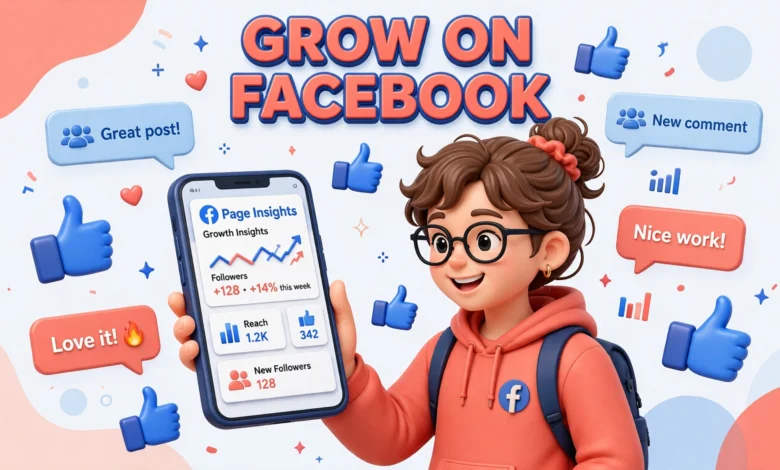
If you want to grow on Facebook as a creator in 2026, you are not late. Facebook has over 3 billion monthly active users and it is still the largest social network in the world. Most creators ignore it, and that is exactly why it still works. If your audience is over 28, ignoring Facebook is a mistake.
Facebook growth is not a viral lottery. It is slower than TikTok at the start, and it compounds over 8 to 12 weeks if you stay consistent. A creator who posts three Reels a week, starts real conversations, and answers every comment will see small numbers in week one and a very different picture by week ten.
Why Facebook Still Matters for Creators in 2026
Facebook is not where trends are born, but it is where a huge part of the internet still spends time every day. People check it for family updates, local news, community groups, and videos from creators they trust.
Facebook also gives creators more than one way to reach people. You can publish on a Page, build a Group, post Reels, go live, and share longer posts, all from the same account. Many niches are still underserved here, especially cooking, parenting, health, and education. If you create clear, helpful content in one of these areas, you need to be useful and consistent.
How the Facebook Algorithm Works in 2026
The 2026 algorithm rewards original content and genuine conversation. Facebook wants to show people content they will talk about, not just scroll past. That is why a post with 20 meaningful comments often beats a post with 200 likes. Likes are cheap. Comments show that something made a person stop, think, and reply.
Originality is the second big signal. Facebook gives more reach to content made by the person posting it, and less reach to copied videos and reuploaded clips. If you upload a video with another platform watermark still on it, expect poor reach. Always post the clean original file with your own voice and point of view.
Watch time and completion also matter for Reels. A Reel that people watch to the end tells Facebook it is worth showing to more people. The first three seconds must earn attention, the middle must deliver on the promise, and the ending must feel complete. Study your retention in Page insights and fix the opening before you blame the algorithm.
Page, Groups, or Reels: Which Growth Vehicle Should You Use?
You need all three, but each one plays a different role. A Page is your public home, with analytics and a professional place where new people can follow you. A Group is your community, with 5 to 10 times more engagement than Pages. Reels are your discovery engine, with the highest organic reach on Facebook right now. Reels bring new people in, your Page keeps them following, and your Group keeps them talking.
Set Up Your Page the Right Way
Start with a clear Page, not a messy personal profile mixed with family photos. Use a clear profile picture, a cover image that explains what you do in one line, and a bio that names your topic and your audience. Pick one topic for the first 90 days so Facebook can learn who to show your content to.
Turn on Professional Mode if you are starting from a personal profile. It gives you insights, monetization tools, and the highest reach tier for individual creators, while keeping personal posts private. Many creators skip this step and then wonder why their posts only reach friends.
Build a Group That People Actually Want to Join
A Group works when it solves a problem or gives people a place to belong. Do not create a group named after yourself and expect people to join just to hear from you. Create a group around a shared interest, such as budget cooking for families, and start conversations yourself every day for the first month.
You can also grow by contributing genuinely to existing groups. Join three to five groups where your ideal audience already spends time. Answer questions and share helpful advice when the group rules allow it. Do not drop links to your Page in every comment. That is spam, and admins will remove you.
A Simple Weekly Content Plan for Facebook
You do not need to post ten times a day. You need a repeatable weekly plan you can sustain. Post 3 to 5 Reels per week, each one teaching one clear idea or answering one common question. Add two or three conversation posts per week, such as text posts or polls. The goal is to get people talking in the comments, so end with a specific question.
- Post 3 to 5 Reels per week, each focused on one idea your audience cares about.
- Publish 2 to 3 conversation posts per week that invite real replies, not just likes.
- Go live once a week if you can, even for 20 minutes, and answer questions in real time.
- Share one useful post inside your Group every day to keep the community active.
- Respond to every comment within the first few hours, with a real reply, not just an emoji.
Responding to comments is part of the growth strategy, not a nice extra. When you reply, Facebook shows the post to more people, and the person who commented feels seen and is more likely to comment again. Ask a follow up question in your reply. Many retention ideas from our guide on the Instagram Reels algorithm in 2026 apply to Facebook Reels too.
What to Post on Facebook Reels
Facebook Reels work best when they are simple and clear. Start with a strong hook in the first two seconds, state the benefit or problem right away, then deliver the value quickly. Use captions, because many people watch without sound. If you cross post from Instagram, always upload the original file without the Instagram watermark, because Facebook reduces the reach of watermarked videos.
Good Reel ideas include quick tutorials, before and after results, common mistakes in your niche, and answers to questions your audience keeps asking. You do not need fancy editing. Clean cuts, clear audio, and a clear point are enough. Study the Reels that already perform well in your niche, then make your own version.
Can You Make Money on Facebook as a Small Creator?
Yes, but set realistic expectations. Facebook Content Monetization is performance based, and it pays for Qualified Views across Reels, videos, photos, and text posts. Most tools need a couple of thousand followers before you qualify, and requirements can change. The pay per view is usually modest, so treat monetization as a bonus, not a salary in the first few months.
Once you have a loyal audience, other income options open up. You can promote your own products, offer a service, run a paid community, or work with brands that want to reach your specific audience. Brands care less about total follower count than about trust and engagement. Read our guide on how to get brand deals with small followers to learn how to pitch and what to charge.
For more detail on follower growth, Buffer has a useful guide on how to get more followers on Facebook. For official monetization rules and creator tools, check the Facebook for Creators site, because requirements and payout terms change often and the official page is the most reliable source.
Mistakes That Slow Down Facebook Growth
- Posting only links to YouTube or a website, which Facebook reduces in reach.
- Uploading videos with an Instagram or TikTok watermark still visible.
- Posting about five different topics in the same week and confusing the algorithm.
- Ignoring comments for days, which kills conversation and future reach.
- Buying followers or joining engagement pods, which destroys trust and analytics.
- Quitting after three weeks because growth felt slow.
The link mistake deserves special attention. Facebook wants people to stay on Facebook. If every post is a link that takes people away, Facebook will show it to fewer people. If you must share a link, put it in the first comment, or create a native post that gives real value and mention the link at the end.
Keep your Facebook plan separate from your Instagram plan. The audiences overlap, but they are not identical. A longer, more personal post that works on Facebook may feel too long on Instagram. Learn the Facebook audience by reading comments, watching which posts get saved and shared, and doubling down on what already works. Our guide on how to grow on Instagram in 30 days can help you compare the two platforms, and our guide on how to grow on TikTok in 2026 shows why Facebook rewards a slower, deeper approach.
Your First 30 Days on Facebook
Week one is for setup. Fix your Page or Professional Mode profile, write a clear bio, create or join a Group, and publish your first five posts. Week two is for learning. Post Reels and conversation posts, watch which topics get comments, and reply to everyone. Week three is for doubling down on the content that got real replies. Week four is for review. Look at your insights, note your best three posts, and plan the next month around those themes.
Facebook growth rewards patience, originality, and conversation. Post original Reels, build a community that talks, answer every comment, and give the system 8 to 12 weeks to compound. Avoid shortcuts, avoid copied content, and avoid chasing every trend. Pick one audience, serve them well, and let Facebook learn who to show your work to. That is how small creators grow on Facebook in 2026, one real conversation at a time.
FAQs About Growing on Facebook as a Creator
How long does it take to grow on Facebook from zero?
Most creators see slow growth in the first month and clearer momentum after 8 to 12 weeks of consistent posting. Facebook compounds through Reels discovery, Group conversations, and repeat comments, so the early weeks are for learning what your audience wants.
Should I use a Facebook Page or Professional Mode?
Use a Page if you want a public brand, analytics, and ads later. Use Professional Mode if you want to grow from your personal profile while keeping private posts separate. Pick one main home for your public content and keep it consistent.
How many Reels should I post on Facebook each week?
Post 3 to 5 Reels per week if you can sustain that pace with original, well made videos. Quality matters more than quantity. Two strong Reels that get comments and completions will do more than seven rushed clips that people skip.
Can small creators make money on Facebook?
Yes, through Content Monetization once you meet the follower and eligibility requirements, and through your own products, services, brand deals, or a paid community. Treat platform payouts as a bonus at first, and focus on building a loyal audience.
Last updated: November 2026.


One Comment