Every creator has felt the same frustration. One week a reel reaches 50,000 people, the next week the same kind of post barely reaches 500. Nothing changed about the content. The algorithm changed, or the platform pushed a different format, or your post simply lost the lottery that day. That is the reality of building an audience on rented land.
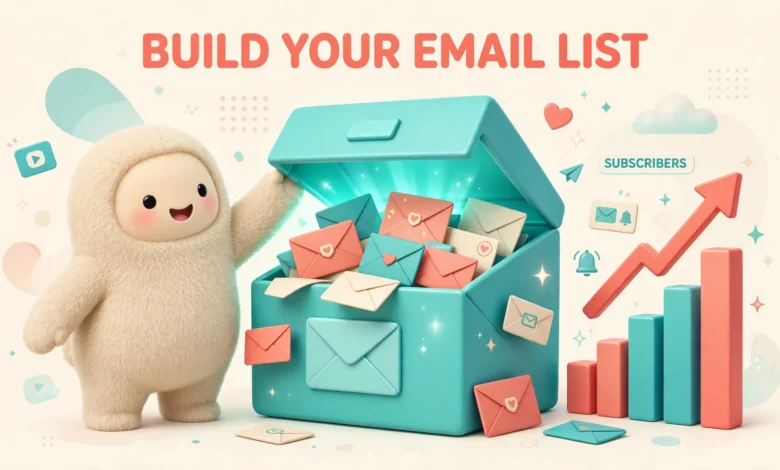
An email list fixes that problem in a way no social platform can. When someone joins your list, you can reach them directly, every single time, without asking an algorithm for permission. You can start for free, today, with tools that cost nothing until your list grows. This guide covers the whole process from zero: picking a tool, creating a lead magnet, placing signup forms, writing a welcome email, and growing from 100 subscribers to 1,000.
Why does email beat social media reach?
The numbers tell the story. A healthy, engaged email list typically sees open rates of 30 to 45 percent, which means nearly half of your subscribers actually see your message. Compare that with organic social reach, where 5 to 10 percent of followers seeing a post is considered normal. Email also converts far better when you sell something, whether that is a digital product, a course, a paid newsletter, or a brand collaboration.
There is a second reason that matters even more: ownership. A platform can suspend your account, change its rules, or lose popularity. Your email list is a file you control. You can move it from one tool to another, and no company can take it away from you. Creators who learned this lesson the hard way, after losing accounts or watching their reach collapse overnight, almost always say the same thing: they wish they had started their list sooner.
For creators in Pakistan, email has one more advantage. It works from anywhere, with no platform gatekeeping and no regional restrictions. Payment limits on Stripe or PayPal do not block email income, because the list itself is the asset. You can build an audience of subscribers around the world and monetize it later through products, sponsorships, or affiliate offers that suit your situation.
Which free email tool should you pick?
- Kit (formerly ConvertKit): free up to 10,000 subscribers, with landing pages and simple automations included. A strong choice for creators who plan to sell digital products later.
- beehiiv: free up to 2,500 subscribers, built specifically for newsletters, with built-in recommendations that help small newsletters grow through each other.
- Brevo (formerly Sendinblue): free plan allows 300 emails per day, which is enough for a weekly newsletter to a small list, with solid automation tools.
- MailerLite: a free tier with a clean editor and landing pages, popular with bloggers and writers who want something simple.
Choose based on what you plan to do most. If your main goal is a weekly newsletter, beehiiv or MailerLite will feel natural. If you plan to sell courses or digital downloads, Kit is built for that. Free tiers change, so verify the current limits on the signup page on the day you sign up rather than trusting any article, including this one.
What is a lead magnet and why do you need one?
A lead magnet is a free resource you offer in exchange for an email address. Nobody joins a list just because a form says “subscribe to my newsletter.” People join because they get something specific and useful right now. The best lead magnets solve one small, concrete problem.
Good lead magnet ideas include a checklist, a template, a short guide, a preset pack, a swipe file of hooks, or a mini video lesson. A fitness creator might offer a 7-day home workout plan, while a design creator might offer five Canva templates. Keep it simple: your first lead magnet should take an afternoon, not a month. A one-page PDF checklist is enough, and it must match your content, because a mismatch brings subscribers who never open your emails.
Where should you place your signup form?
- Link in bio: this is the single most important placement. Put your signup link at the top of your link in bio page, above links to your other content. If you need a better bio setup, read our guide to the best link in bio tools for creators.
- End of your posts and videos: mention the free resource naturally at the end, when viewers are most engaged. A short line like “the free checklist is linked in my bio” is enough.
- Your blog or website: add a signup form at the end of your most popular posts and in the sidebar. Readers who finish an article are warm leads.
What should your welcome email say?
The welcome email is the most important email you will ever send. It goes out automatically the moment someone joins, when their interest is at its peak, and it sets the tone for everything that follows. Most creators waste it with a boring confirmation message. You should treat it as your first real conversation with a new subscriber.
A good welcome email does four things. First, it delivers the lead magnet immediately, with a clear download link at the top. Second, it introduces you in two or three sentences. Third, it tells the subscriber what to expect and how often you will email them. Fourth, it asks a question and invites a reply, because replies improve deliverability and start a real relationship. Consider a short welcome sequence: the first email delivers the freebie, the second shares your best content, and the third tells your story.
How often should you email your list?
One useful email a week is the sweet spot for most creators. It is frequent enough that subscribers remember you, and sustainable enough that you will actually do it for months. Consistency matters far more than frequency: a weekly email sent every Tuesday for a year beats a daily burst that burns out after two weeks. Every email should give the reader something, such as one idea, one example, and one action step. If you want a newsletter-first approach, our guide on how to start a Substack newsletter as a creator pairs well with this one.
How do you grow from 100 to 1,000 subscribers?
The first 100 subscribers are the slowest. They usually come from your existing audience: friends, followers, and readers who already trust you. Getting to 1,000 takes a different strategy, because you need people who have never heard of you to discover the list. There is no shortcut, but there are proven methods.
- Newsletter swaps: find a creator with a similar sized list in a related niche and recommend each other to your subscribers. Both lists grow, and the subscribers arrive pre-qualified because someone they trust recommended you.
- beehiiv recommendations: if you use beehiiv, its recommendation network lets other newsletters suggest yours to their subscribers, and vice versa. This is one of the fastest organic growth tools for small newsletters.
- Substack Discover: publishing on Substack puts your newsletter in front of readers browsing for new publications. A strong profile and consistent posting make discovery work in your favor.
- Guest content and collaborations: write a guest post, appear on a podcast, or collaborate with a creator in your niche, and point the new audience to your lead magnet. One good collaboration can add dozens of subscribers in a day.
- Lead with value on social: share genuinely useful threads and posts, then mention your newsletter as the place where you go deeper. People subscribe to depth, not to teasers.
Expect the first 500 to be the hardest. Growth is slow at the start because you have no social proof, no recommendations, and no compounding. Once you pass 500, swaps get easier, recommendations start flowing, and each new subscriber brings the next one a little faster.
What are the legal basics you must know?
- Never buy an email list. Purchased lists are full of dead addresses, spam traps, and people who never asked to hear from you. They destroy your deliverability and can get your account banned. Build your list one real subscriber at a time.
- Always include a one-click unsubscribe link. Every email must let readers leave easily. Make it visible, not hidden in tiny grey text. People who want to leave will leave anyway, and forcing them to stay only gets you marked as spam.
- Use your real name and a physical address. Under the CAN-SPAM Act in the United States, marketing emails must include a valid physical postal address and identify the sender honestly. Most email tools add this footer for you automatically. You can read the official rules on the FTC website if you want the full detail.
- Only email people who opted in. Do not add people to your list because they bought something, commented on a post, or handed you a business card, unless they clearly agreed to receive emails. Consent is the foundation of a healthy list.
Which mistakes should you avoid?
The most common mistake is waiting for the perfect setup. Creators spend weeks comparing tools, designing templates, and planning a content calendar, while their list stays at zero. A simple form and a simple lead magnet beat a perfect plan that never launches. Start messy, then improve.
The second mistake is emailing only when you have something to sell. If your subscribers only hear from you during a launch, they will forget who you are and unsubscribe the moment you ask for money. The third mistake is chasing vanity numbers: a list of 10,000 cold subscribers is worth less than a list of 500 engaged readers who click, reply, and buy.
Frequently asked questions
How long does it take to build an email list as a creator?
Most creators reach their first 100 subscribers within a few weeks if they already have a small social following and a clear lead magnet. Reaching 1,000 usually takes six to twelve months of consistent weekly emails, collaborations, and newsletter swaps. The timeline depends on your audience size, your niche, and how often you promote the list.
Do I need a website to start an email list?
No. Every major email tool gives you a hosted landing page and a public signup link, so you can collect subscribers with nothing more than a link in your bio. A website helps because it gives you more places to put signup forms and more content to attract readers, but it is not a requirement. Start with the landing page and add a website when you are ready.
What is a good open rate for a creator email list?
A healthy, engaged list typically sees open rates of 30 to 45 percent. New lists often start higher, because early subscribers are your most loyal followers. If your open rate drops below 20 percent, check your subject lines, your sending frequency, and whether your list needs cleaning. Small, engaged lists almost always outperform large, cold ones.
Can I make money from an email list with few subscribers?
Yes. A small, trusted list can earn money through affiliate recommendations, digital products, paid subscriptions, or brand sponsorships, even with a few hundred subscribers. Brands care about engagement and audience fit, not just size. If you want to understand the earning side, read our guide on how to make money as a small creator. Start by serving your readers well, and monetization becomes much easier.
Last updated: November 2026.